Russian food doesn’t exactly top the popularity charts in America, which is a shame, really, because this huge country has a lot to offer besides vodka and caviar.
If you ever find yourself in Moscow, these are the 18 Russian foods you definitely need to dig your teeth into:
1. Borscht

RealFoodForLife.com
What is it: A beet root and beef soup, lightly spiced and served cold with a dollop of sour cream on top.
What does it taste like: Like a chunky, cold stew eaten straight from the tupperware at 2 in the night to satiate a midnight hunger run. The sour cream balances out the sweetness, and the red of the beet looks incredibly pretty.
2. Beef Stroganoff

BettyCrocker.com
What is it: Strips of beef sauteed in a sauce of butter, white wine, sour cream (called ‘smetana’ in Russia), mustard and onions. Eaten either straight or poured over rice or noodles.
What does it taste like: Wholesome and hearty. Although it derives its name from the influential Stroganov family in Russia and you can find variants in fancy restaurants, it still tastes like a no-fuss dish you’d make on a Sunday evening.
3. Sweet-and-Sour Cabbage

Food52.com
What is it: Cabbage cooked in red wine vinegar, applesauce, butter and onions. Diced apples, sugar, bay leaves and cloves added on top.
What does it taste like: Just as the name describes – sweet and sour. The apple and applesauce balances out the sourness of the red wine vinegar and complements the crunch of the cabbage.
4. Solyanka Soup

Swide.com
What is it: A hearty soup made from thick chunks of beef and/or pork, cooked for hours over a low flame with garlic, tomatoes, peppers and carrots.
What does it taste like: This dish was originally from Georgia but can now be found all over Russia. It’s hearty and home-like. Eat it with Georgian lavash bread and it’s a meal by itself.
5. Golubtsy

Travelpod
What is it: Shredded or minced beef wrapped in cabbage and steamed/boiled until cooked. Found all over Eastern Europe, though the Russians like to add some sour cream on top, which really brings out the flavors.
What does it taste like: The boiled cabbage texture can be off-putting for some, but the practice of adding sour cream on top makes up for it. Either way, you either lovegolubtsy and think it’s the greatest thing on Earth, or you hate it completely. There is no middle path when it comes to golubtsy.
6. Olivie

Makler-blog.ru
What is it: Potatoes, pickles, bologna, eggs, and carrots swimming in a bowl of mayo.
What does it taste like: Olivie – or Olivier Salad – is the most quintessential of all Russian salads. Every cook has his own recipe and it’s a staple in every Russian home. It tastes like gooey goodness, especially when the mayo is fresh and homemade.
7. Blini

TarasMulticulturalTable
What is it: Thin, crepe-like pancakces made from unleavened dough, usually topped with savory or sweet toppings such as minced beef, caviar, or apples.
What does it taste like: Like crepes, but only more savory. A Russian favorite is to top blinis with caviar, which makes for very interesting breakfast fare.
8. Potato Okroshka

Chez Maximka
What is it: A cold soup made from buttermilk, potatoes and onions, garnished with dill.
What does it taste like: Surprisingly delicious, given the simplicity of the recipe. The quality of the potatoes and the freshness of the buttermilk is what makes it. Okroshka soup can also be made from other vegetables, though Russian potatoes work best.
9. Knish

Mr Homer Goes to Washington
What is it: Mashed potatoes, ground beef, onions and cheese filled inside thick dough pastry and deep fried/baked.
What does it taste like: Like a cross between a calzone and a samosa. It’s stupid simple to make and you can find variants that include everything from fish to olives. A staple throughout Eastern Europe.
10. Khinkali

TheFamilyWithoutBorders.com
What is it: Dumplings of ground beef and cilantro.
What does it taste like: Like Chinese dumplings, except with more Eastern European flavors. The secret of their deliciousness is that the filling is not cooked before being filled into the dumplings. This way, when the filling cooks inside the dumpling, all the juices stay trapped inside.
11. Khachapuri

GeorgiaAbout
What is it: Thick, crusty bread shaped like a boat and filled with varieties of melted cheese.
What does it taste like: Freshly baked bread is delicious. Freshly baked bread with 4-5 types of cheese on top is even more delicious. Some people like to throw in an egg on top, which takes the deliciousness level all the way to 11.
12. Zharkoye

FoodPrestroika
What is it: A stew made from beef, potatoes, carrots, parsley, and celery, lightly spiced with garlic, cloves, and dill. Served hot with sour cream.
What does it taste like: Like home. This is a Russian comfort food that is easy to cook and can accommodate tons of different ingredients. You’ll find the zharkoye on dining tables all across the country.
13. Pelmeni

Wikimedia
What is it: Dumplings made from thin, unleavened dough and filled with minced meat, onions, mushrooms, and sometimes, turnip.
What does it taste like: Like a particularly Russian variant of the Chinese dumpling. The dough is what makes this special. It’s also pretty flexible and can accommodate any kind of ingredient, which is why it is a favorite among bachelors and students in Russia.
14. Shashlik

Wikimedia
What is it: A kind of shesh kebab made over an open fire. You can use any kind of meat, though Russians prefer pork. The marinade ingredients vary from region to region as well, ranging from red wine to vinegar to pomegranate juice.
What does it taste like: You can’t go wrong with grilled chunks of meat. Russia loves its shashlik and you can’t walk two blocks in Moscow without coming across a shashlychnaya – tiny restaurants that specialize in shashlik. Traditional Russian shashlik is made over a wood fire with herb leaves often tossed in to enhance the flavor.
15. Tula Gingerbread

Wikimedia
What is it: Spicy gingerbread made from honey and filled with jam or condensed milk. It is customary to imprint the bread with intricate designs and engravings.
What does it taste like: Spicy, sweet, and wholesome. The Tula Gingerbread is a very Russian take on the classic gingerbread recipe. It occupies a significant enough place in Russian cuisine that Tula even opened a museum dedicated to the bread in
16. Pirozhki

Girls Guide to Butter
What is it: Pastries filled with potatoes, meat, cabbage or cheese.
What does it taste like: Sweet and savory. The dough is the star and the meat is just the supporting actor in this recipe. Traditional pirozhki is glazed with egg and baked, though it isn’t uncommon to deep fry the pastry.
17. Morozhenoe

CultureCheeseMag.com
What is it: Russian ice cream. Creamier and richer than its American counterpart.
What does it taste like: Cold and creamy. Russians love their ice cream as much as they love their vodka. You’ll find little morozhenoe push carts on every corner in Moscow. The ice cream uses a lot of rich dairy and is usually topped with chocolate or strawberries.
18. Chak-Chak

EnglishRussia
What is it: Deep fried balls or little logs of unleavened dough and topped with hot honey syrup. The pile of honey coated dough balls is usually left to harden before eating.
What does it taste like: Deep-fried dough and honey is a combination everyone ought to taste at least once. Chak-Chak is particularly popular among the Tatars, where you can find it being sold in every city and village.
Russia is a huge country and this post doesn’t even begin to cover the variety of its cuisine. But if you ever feel like experimenting with Russian food beyond borscht and vodka, this list is a pretty good place to start!
10 Russian foods to feast on in front of the football
You’ve got your home cinema rigged up, you’ve cleared your diary, and you’re ready to dive headfirst into the World Cup. But what are you going to eat to keep yourself fueled during the football? It’s time to rustle up some mouth-watering morsels from the home nation. From sour soups to salads, here are a few Russian delicacies to keep even the hungriest footy fans full.
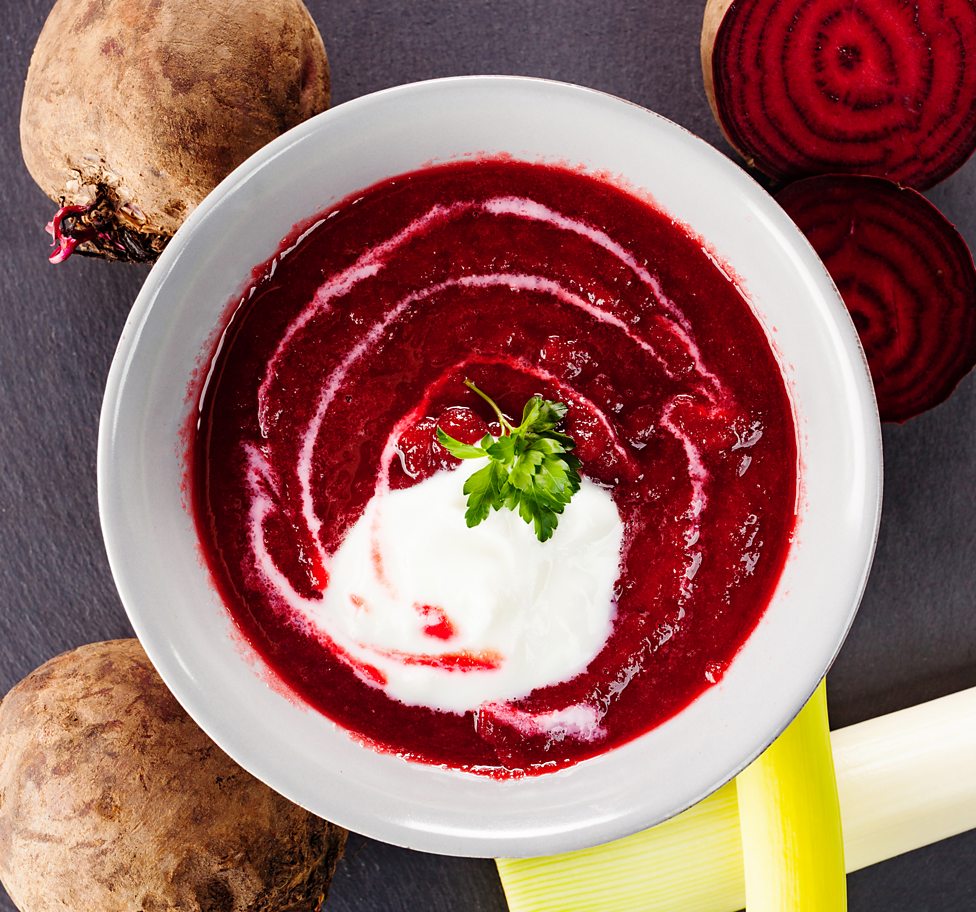
1. Borscht
No Russian menu is complete without this vibrant red beetroot soup. Served hot or cold, borscht is traditionally made from beetroot (which provides its trademark colour), cabbage (and a few other veggies), and beef broth. Serve with a nice dollop of sour cream and, whatever you do, keep away from cream carpets.
2. Solyanka
For a soup less likely to stain, try solyanka. This spicy and sour soup is so hearty and thick it’s more like a stew and it comes in three basic varieties: fish, meat, and mushroom. Traditionally, the soup contained pickled cucumbers cooked with brine, giving it a characteristically salty taste. It’s not surprising then that the name solyanka comes from the Russian word for salt. Crucially, it’s believed to be an effective hangover remedy. Could come in handy if your team is victorious!
3. Blini
A thin, buckwheat or white flour pancake, the blini is Russia’s answer to the French crêpe. (For the etymology buffs out there, the name originates from the Old Slavic word “mlin”, which means “to mill”.) Blinis can be savoury or sweet: either loaded with salty smoked salmon, mushrooms or caviar or slathered with jam and condensed milk.
4. Caviar
Caviar – salt-cured roe, traditionally from the sturgeon fish – is a popular Russian delicacy. Serve on buttered bread, in a blini with a dollop of sour cream or eat straight from the spoon. Which, incidentally, shouldn’t be silver: the reactive metal is thought to affect the caviar’s flavour. So remember to dig out your bone, mother of pearl or gold spoon… What do you mean you don’t have one?
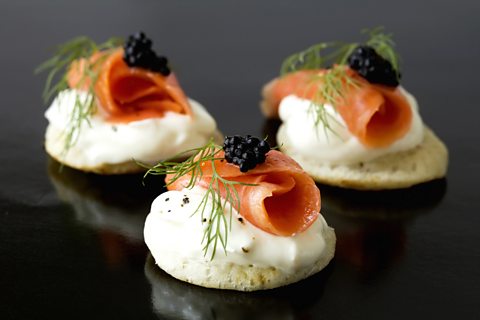
Caviar on blini: A Russian morsel
5. Shashlik
Shashlik is Russia’s version of the shish kebab. The lamb, beef, chicken or salmon, is skewered, often marinated, and then grilled. Serve with unleavened bread and pickles for the perfect post-pub pick-me-up.
6. Olivier salad
Olivie – or Olivier salad – is what most of us know as Russian salad. Dice boiled potatoes, carrots, pickles, hard-boiled eggs, and meat; add peas; slather in mayonnaise and – voila! The creamy salad, in the running for the most quintessentially Russian dish out there, was in fact dreamt up by a Belgian. Lucien Olivier, the chef at one of Moscow's most celebrated restaurants, invented the “secret” recipe in the 1860s. With the speciality now served up all over the world, it looks like the secret is well and truly out.
7. Pelmeni
These filled dumplings – made from thin, unleavened dough – are a cross between Chinese jiaozi and Polish pierogies. So what’s inside? Traditionally, pelmeni are stuffed with minced lamb, pork or beef, along with onions and mushrooms. They are served solo, slathered in butter or sour cream, or bobbing in a broth.
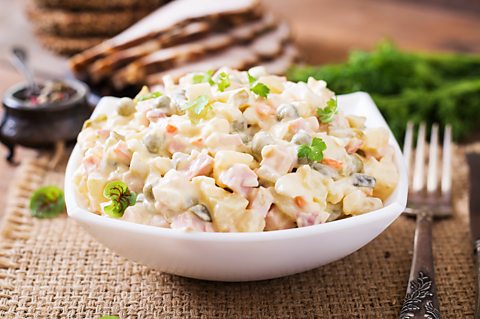
Russian Olivier salad: Dreamt up by a Belgian
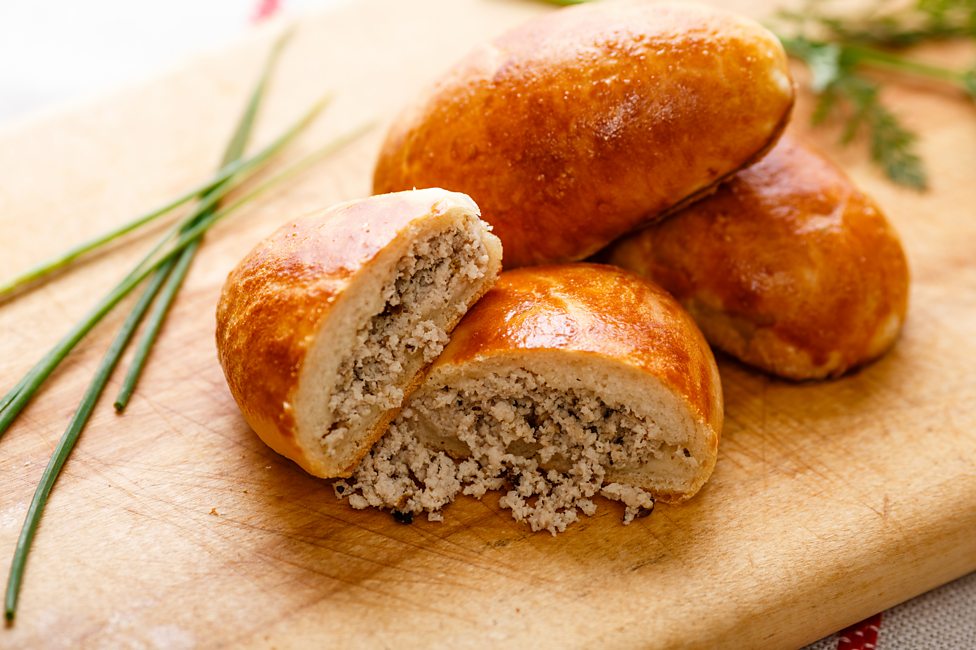
Pirozhki: Essentially mini pies
8. Pirozhki
In keeping with British footy stadium fare, pirozhki are essentially mini pies! They are hand-held, dough pockets stuffed with a whole array of sweet or savoury fillings, from beef to berries. Bake or fry for a bite-sized dose of greasy goodness.
9. Golubtsy
For anyone avoiding gluten, golubtsy offers a wheat-free alternative to the aforementioned doughy delicacies. The dish is essentially cabbage rolls: little brassica parcels stuffed with minced meat, rice and herbs and served with sour cream. Mini cabbage burritos, if you will.
10. Tula Pryanik
Everyone likes to finish up with a pudding, so here’s a Russian delicacy to wheel out at full-time. Pryanik is Russian gingerbread, the most famous of which comes from the city of Tula, where they have been baking the snack since the 17th century. Tula gingerbread, which usually contains jam or condensed milk, is famous for its intricate and elaborate printed designs.
Try making your own pryanik, and decorating with the badge of your national team. Three lions on your gingerbread!
source www.bbc.co.uk
When thinking about Russian food what comes to mind? A generous shot of vodka and some caviar? Beet soup with a dollop of sour cream? Those are all delicious but they're only a sample of what Russian cuisine has to offer. Russia is home to a variety of delicious dishes you might have not yet explored. The biggest country in the world, extending over Asia and Europe, Russia has a diverse set of culinary influences. These include: Western and Central European, Central Asian and even Middle Eastern, making Russian food rich with a variety flavors. Here are some of my favorite dishes.
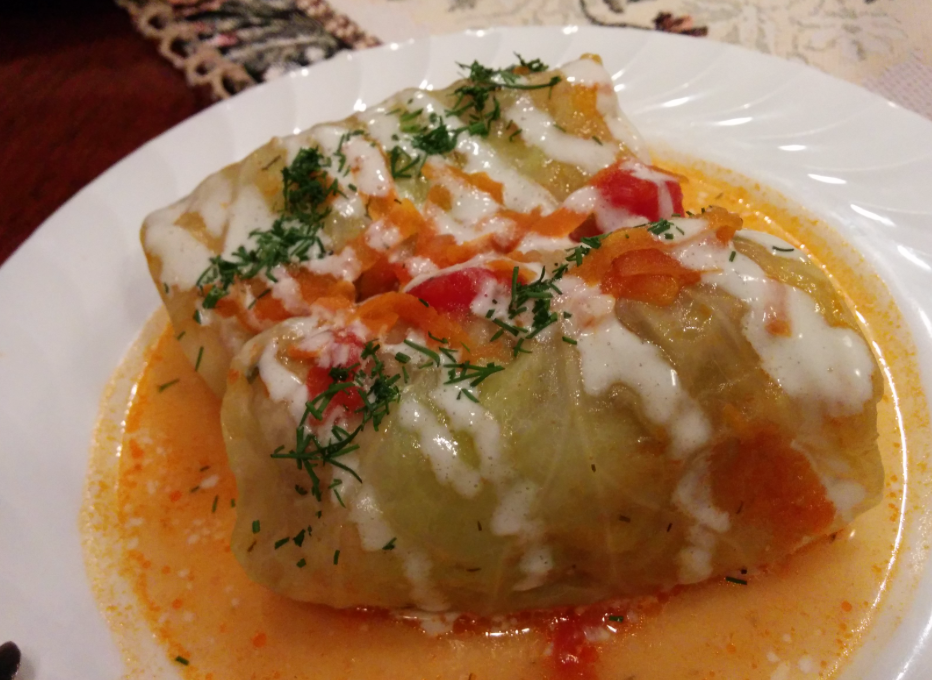
1. Golubsti
These are cabbage rolls, usually stuffed with ground pork or beef and rice or buckwheat. They are stewed in a broth of sour cream and tomato sauce. Light and fresh, Goloubsti are eaten a casual lunch or dinner. The ‘Goloub’ in ‘Goloubsti’ means pigeon in Russian. In the 18th and 19th centuries French cooking influenced Russian cuisine. Russian nobles either employed French chefs or sent their serfs to train in culinary arts under French chefs in St. Petersburg or Moscow. The popularity of pigeon in French cuisine crossed over to Russia and resulted in a dish of grilled pigeon wrapped in cabbage leaves. Later the cabbage was stuffed with ground beef or pork instead, but ‘Goloub’(pigeon) the remained in the dishes’ name.
2. Syrniki
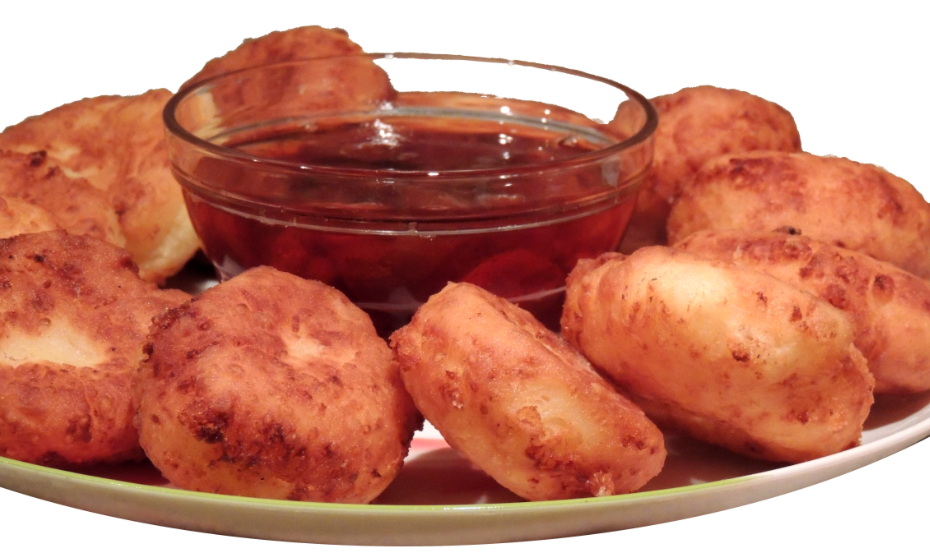
The 'Syr' in 'Syrniki' means cheese in Russian. They are a type of Russian pancake made with quark or curd/cottage cheese. Syringe are fried in vegetable oil, have a crispy dark brown outer layer and are creamy on the inside. Popular garnishes are jam, honey, sour cream and apple sauce. Traditionally they were the food of rich as curd was reserved for the wealthiest.
3. Pelmeni
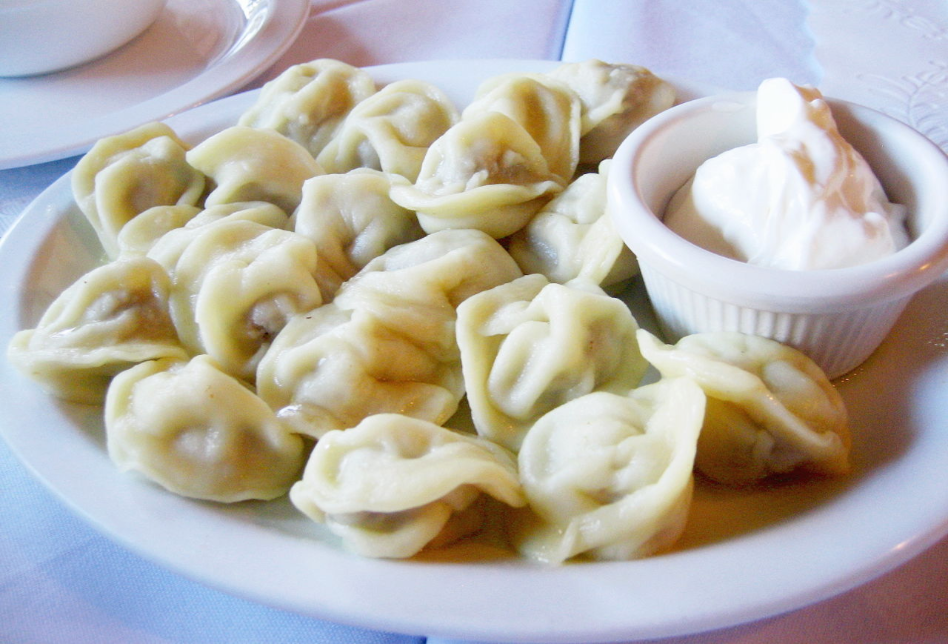
In the United States and Canada the term peirogi is often used to describe a wide variety of Eastern European dumplings, including the Ukrainian Vareniki and the polish peirogi, which can be sweet or savory. Pelmeni, however, are strictly savory. They are dumplings made with thin dough and stuffed with minced meat; either pork, lamb or beef. Diced onion, garlic and black pepper are often mixed in with the meat for flavor. They originate from the Udmurt and Perm regions to the west of Russia. The name Pelmeni means ‘ear bread’ in the Komi and Udmurt languages native to these regions as they resemble ears. The traditional Udmurt recipe requires a mixture of beef, mutton, and pork. Originally eaten by hunters on the go, these dumplings are a simple and hearty food made in large batches. They are often frozen and boiled when needed for quick meal and are the most popular meal in Russia!
4. Pirozhki
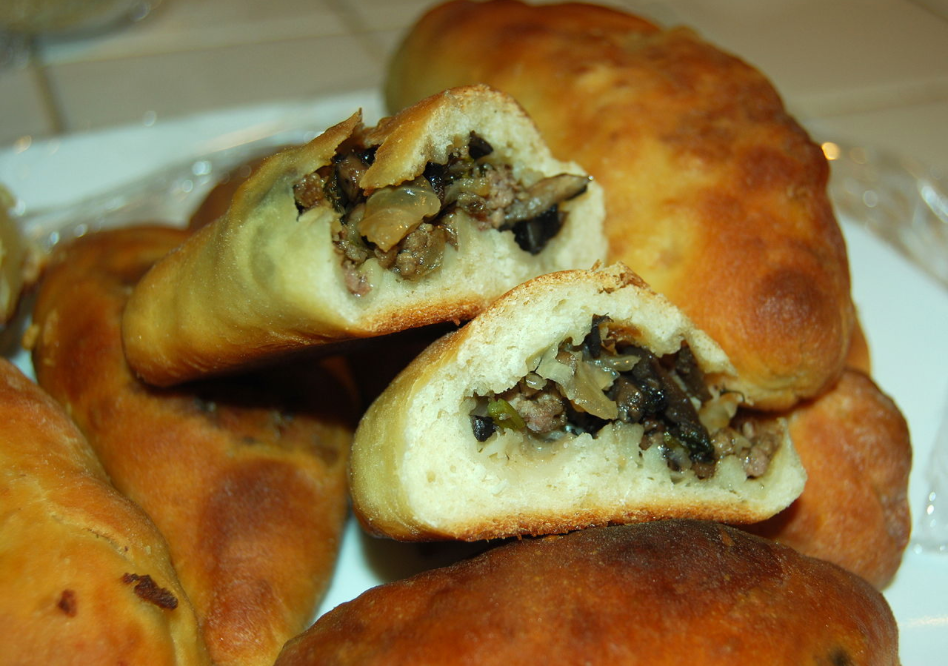
Pirozhki in Russian means ‘little pies’. They are baked or fried buns made with yeast dough and come with several sweet and savory fillings. These include: minced beef, stewed cabbage, rice, mushrooms, apples, jam, cottage cheese and chopped lemon with sugar. They are great with for breakfast and with afternoon tea.
Like Odyssey on Facebook
5. Blini
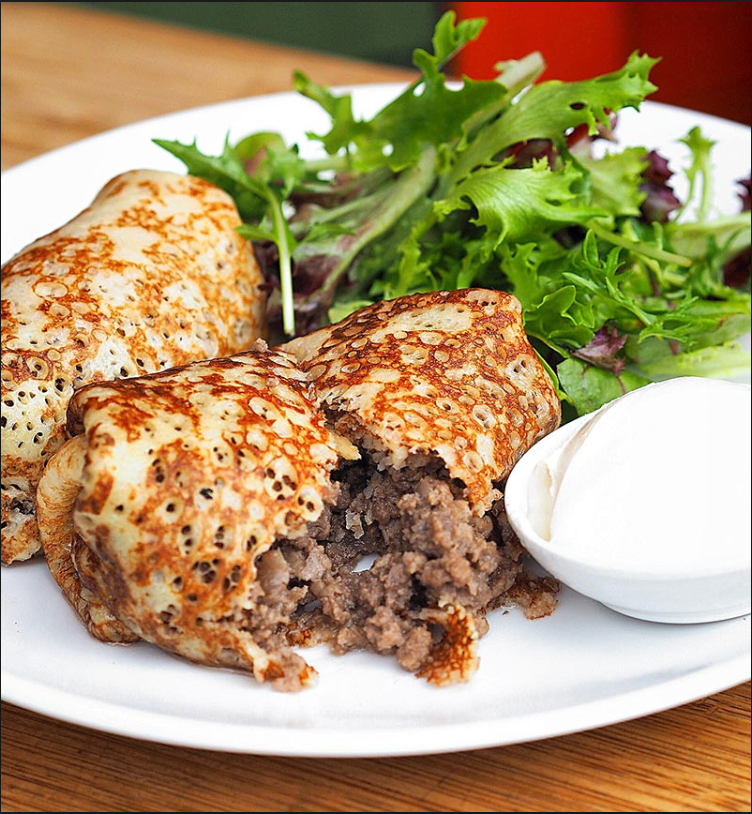
Blini are Russian pancakes. Unlike American pancakes they are very thin and more closely resemble the french crêpe. Blini are a Russian staple and there are countless recipes, both sweet and savory. Some popular fillings include sour cream and caviar, raspberry jam, minced meat with fried onions, sweet condensed milk, honey and cottage cheese. Most traditionally they are made using yeast, buckwheat flower, milk and eggs. Blini are eaten as a sweet snack with tea or can be a filling main meal. This dish has its origins in a slavic pre-christian sun festival called ‘Maslenitsa’(meaning butter week) where the blini symbolized the sun. This festival celebrated the end of the winter and the coming of summer and has been adopted by the Orthodox Church. It still is celebrated during the last week before the Great Lent.
6. Pryaniki
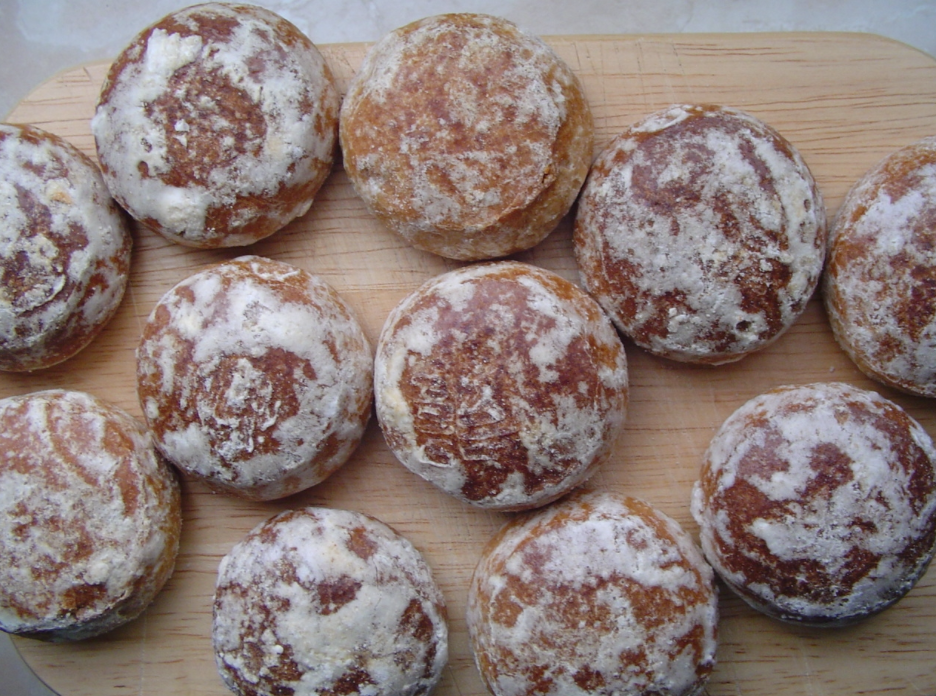
These are chewy Russian honey spiced ginger bread cookies, famously made in the industrial city of Tula, south of off Moscow.They differ greatly in flavor from European and American gingerbread cookies. Pryaniki are made from rye flour and honey, seasoned with spices like cinnamon, nutmeg, cardamon, cumin, or anise. These cookies are a delicious sugary snack and are frequently present at Russian afternoon tea.
Cover Image Credit: goodfreephotos.com
